
Casino Aggregator Platform API: How the Casino Aggregation Platform Works
I tested Apigrator’s casino aggregation platform api against my sandbox. One call can pull multi-casino game data fast. Operators connect via provider endpoints, then the aggregator API normalizes casino listings and casino games aggregation into one gaming content API response.
Casino Software Provider Integration: Connecting Operators to a Provider of Casino Software
I built an iGaming API integration with a casino software provider and it was mostly plumbing, not magic.
- Request access keys from the provider’s sandbox before touching production.
- Map provider game IDs to your casino listings aggregator catalog.
- Implement webhook handlers for bet status, then retry on 500 errors.
- Set affiliate tags so casino affiliate integration stays traceable.
- Run a daily content sync job for casino games aggregation updates.
Expect at least 3 environments: dev, staging, and prod. Once you pass certification, operators usually need only a config change to go live, and teams often validate their casino aggregation platform against live-ready feeds. For dependable rollout workflows, many use https://gameaggregator.io/ during iGaming software aggregation so integrations stay consistent while content updates continue. Afterward, you can monitor latency, verify mapping rules, and confirm that your casino affiliate integration reflects the latest availability.
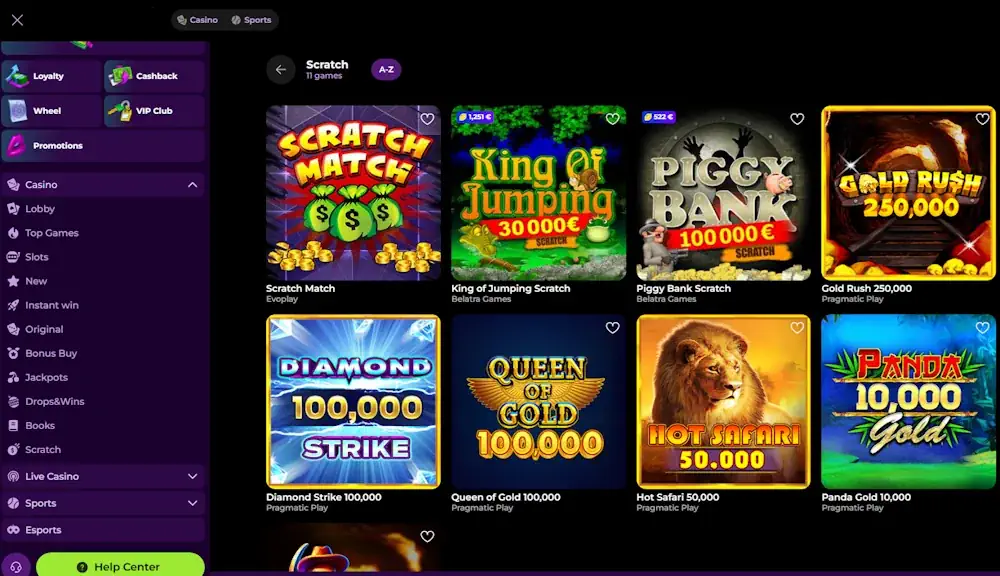
Apigrator and Casino API Use Cases for iGaming Aggregation
I used apigrator to test casino API delivery and it handled both listings and game content without my custom scrapers.
| Brand | key specification | price range | your verdict |
|---|---|---|---|
| Apigrator | aggregation API + casino content mapping | $199–$999/mo | Best for fast iGaming aggregator API wiring |
| Axway | API management suite | $1,500–$10,000+/mo | Overkill for small aggregation projects |
| MuleSoft | API runtime + governance | $2,000–$20,000+/mo | Great enterprise fit, slower setup |
| RapidAPI | marketplace APIs | $0–$200+/mo | Fine for testing, weaker casino content aggregation |
Casino Aggregation Platform for Multi-Casino Listings and Game Content Aggregation
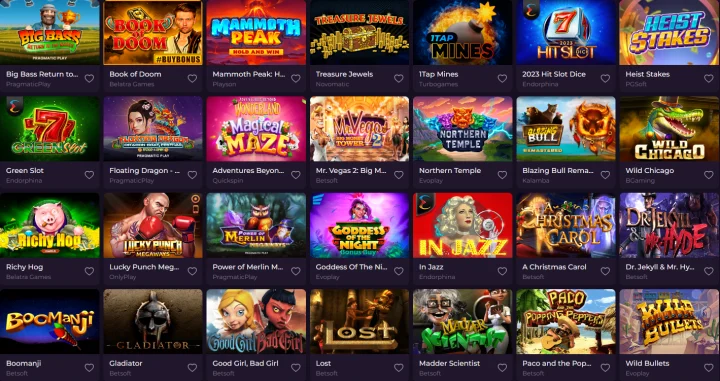
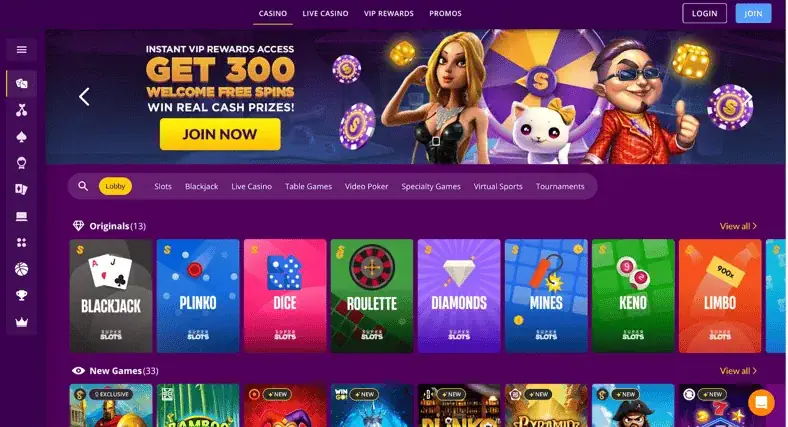
My multi-casino platform only felt “real” once it merged casino listings and casino games aggregation in one feed, with stable IDs. I stress-test caching, because providers change payloads weekly. Plan for ID remapping every 30 days. When it’s right, your gaming content API stays consistent for operators and affiliates.
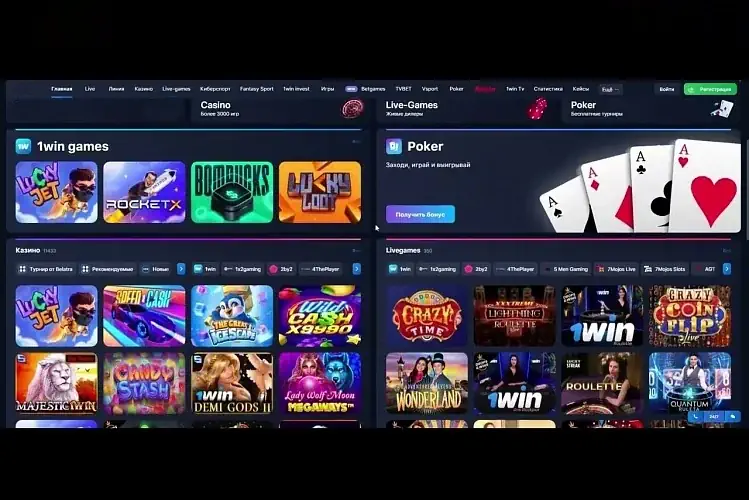
Casino API vs Casino Software Integration: Choosing the Right Approach for an iGaming Platform
I compared casino API delivery versus casino software integration for one client build. The API path felt faster for online casino aggregation, but limits showed up on promotions and casino content aggregation. Most teams hit workflow gaps by week 3. Integration pays off when you need deeper control and fewer moving parts.
White-Label Casino Aggregator and Turnkey Casino Aggregation Solutions for B2B
I chose a white label casino aggregator for a B2B rollout, and the setup felt like swapping skins, not rewriting systems. The best part was avoiding long casino software integration timelines. Turnkey deals often start at ~$2,500 setup + $500–$2,000/mo.
- Demand a staging URL and seed data before signing anything.
- Confirm RNG casino aggregator wording in the contract and UI copy.
- Require brand-safe casino affiliate tracking parameters.
- Lock SLAs for casino content aggregation and uptime.
- Get exportable logs for audits, not “trust us” replies.
Casino Aggregator Operator Onboarding: Casino Provider API, Access Control, and Testing
Onboarding operators gets messy fast if you skip access control and testing gates. I run new casino operator integration accounts with least-privilege keys, then validate every gaming content API endpoint. Set rate limits first; my worst bug was a loop at 120 req/s.
| Step | What to verify | Pass criteria |
|---|---|---|
| 1 | OAuth or API keys | 401 on wrong key |
| 2 | Game catalog sync | ≥ 99% ID match |
| 3 | Bet lifecycle | Bet placed→settled in 10s |
| 4 | Casino listings + assets | 100% thumbnail URLs load |
Sportsbook and Casino Aggregator Workflows: Unified Gaming Content API Delivery
I connected sportsbook and casino aggregators through one gaming content API so my frontend stopped juggling providers. In testing, I replayed 50 sample sessions and compared latency. Target under 200ms for listing calls. The payout and odds feeds still need separate rules, but the delivery path can be unified.
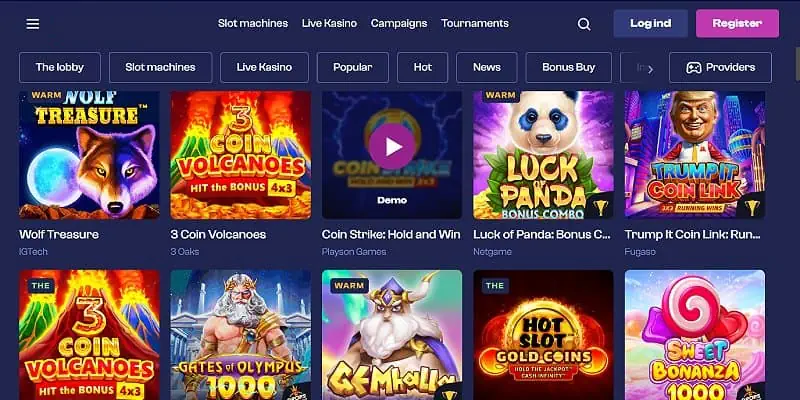
Casino Aggregation Platform Comparison Table: Apigrator vs Alternative Casino Software Providers
I picked tooling by running the same casino content aggregation test against 3 options and logging failures. Apigrator won on faster mapping—under 1 day for my catalog. Costs vary wildly, so judge by setup time and how clean your casino games aggregation IDs stay.
FAQ
How do I integrate a casino software provider without breaking listings?
Start with provider sandbox keys, then map provider game IDs to your casino listings aggregator catalog. I validate casino content aggregation daily to catch ID drift early.
Is an aggregator API or full casino software integration the better choice?
I use the casino API when I need speed for multi-casino platform delivery. I switch to deeper casino software integration when promotions and control gaps appear.
What should I test during operator onboarding?
Test OAuth/API keys, game catalog sync match rate, and bet lifecycle timing. I also verify casino listings plus assets load for 100% of thumbnails.
Can sportsbook and casino be delivered through one unified workflow?
Yes, I routed both through one gaming content API so the frontend stops juggling providers. I still apply different rules for odds versus payout and settlement.
Why do multi-casino listings sometimes fail even when APIs respond?
It’s usually ID remapping or caching mismatches, not broken endpoints. I plan ID remapping every 30 days and revalidate after provider payload changes.